


If you’ve ever applied for a personal loan earlier, you already know the drill.
Visit the branch. Fill long forms. Attach photos. Submit ID proofs. Then wait. And if one document had an issue, you had to go back again. The whole thing felt slow and tiring.
That process has changed quite a bit now.
With digital identity verification in place, most of the heavy lifting happens online. From eKYC to Aadhaar verification, lenders can confirm your identity within minutes. Not days. In many cases, not even hours.
This shift has made loans easier to access, especially for people living in smaller towns or those who do not always have a full stack of physical documents ready.
So what exactly is happening behind the scenes? Let’s break it down.
What Is Digital Identity Verification?
Think of digital identity verification as an online way of proving you are the same person shown on your documents.
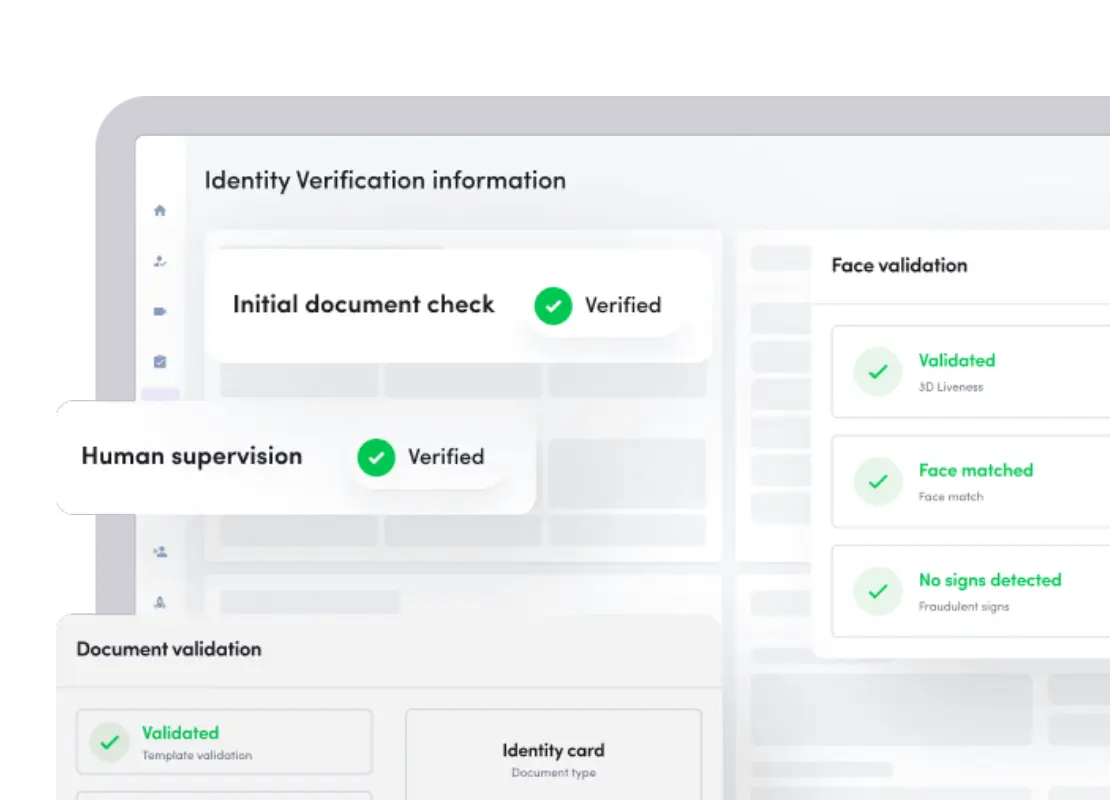
Instead of handing over physical copies, your identity gets verified through digital checks. This can include government ID validation, face matching, biometric scans, or database lookups.
Banks, fintech apps, shopping platforms, and even government portals use this today. The goal is simple. Reduce fraud and make access secure.
There is another benefit too. Businesses can onboard customers faster. Manual errors go down. Compliance requirements are met without needing you to sit in front of an officer physically.
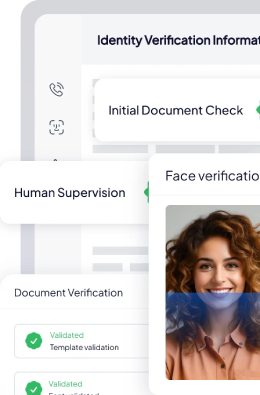
Automate your KYC Process & Reduce Fraud!
We have helped 3000+ companies in reducing Fraud by 95%
Technologies Powering Digital Identity Verification
A few different technologies work together to make this system function smoothly in India. Here are the main ones you will come across.
1. Aadhaar-Based eKYC
This is easily the most common method used today.
Aadhaar eKYC works through your Aadhaar number along with OTP verification or biometric authentication like fingerprint or iris scan. Once you approve the request, your details are fetched directly from the UIDAI database.
No forms. No photocopies.
Because the data comes from an official source, the chances of fake entries or manual mistakes drop sharply. Banks, NBFCs, fintech apps, and even telecom operators rely on this method to onboard users quickly while staying compliant with regulations.
2. Video KYC Solution
Video KYC adds a human checkpoint without making you travel anywhere.
In this process, you join a live video call with a verification officer. You show your PAN or Aadhaar, confirm a few details, and answer basic questions. The officer checks your face match, document clarity, and liveliness.
It sounds formal, but the process is usually quick.
This method is widely used in banking, insurance, and investment platforms where visual confirmation builds extra trust while still keeping the process digital.
3. Officially Valid Documents for Online KYC Verification
Not everyone wants to use Aadhaar. And that’s fine.
Platforms accept other officially valid documents too. Passports, voter ID cards, driving licences, and NREGA job cards are commonly supported.
You upload a photo or scanned copy. The system reads the details using OCR technology and verifies authenticity through backend checks.
This flexibility helps lenders onboard more users, including those who prefer alternate ID proofs or may not have Aadhaar linked services active.
Impact of Digital Identity Verification on Personal Loan Processing
Digital verification has not just made things faster. It has changed the entire borrowing experience.
Here’s how.
1. Faster Loan Approvals
Earlier, identity verification alone could stretch for days.
Now, automated systems validate Aadhaar, PAN, and document data almost instantly. Manual review happens only if something looks off.
For you, this means quicker approvals and faster disbursal. In some cases, loans get approved the same day you apply.
2. Improved Customer Experience
Convenience is where digital verification really stands out.
With so many personal loan apps available in India, you do not need to visit a branch. No document printouts. No standing in queues. The full process can be completed from your phone while sitting at home.
Upload documents, complete KYC, confirm details. That’s it.
This is why many borrowers today prefer applying through personal loan apps where paperless onboarding has become standard.
3. Reduced Fraud and Identity Theft
Speed is one side of the story. Security is the other.
Biometric authentication, OTP validation, and real time document scanning make it difficult for fraudsters to bypass checks. Fake IDs get flagged early. Suspicious mismatches trigger alerts.
This protects lenders financially and also keeps your personal data safer. A stronger verification layer creates a more reliable lending environment overall.
Closing Thoughts
Digital identity verification has quietly reshaped how personal loans work in India.
What used to feel like a slow, paperwork heavy process is now something you can finish from your couch. Borrowers get faster access to funds. Lenders get better risk visibility.
And this shift is still ongoing.
As verification tools become sharper and more secure, the loan journey will continue to get smoother. Less friction. Less waiting. Wider access for people across cities and smaller towns alike.
Much simpler than it used to be.
Automate your KYC Process & Reduce Fraud!
We have helped 3000+ companies in reducing Fraud by 95%