


With evolving technology and easy access to the internet, people are shifting towards online sources for completing their daily activities. Everyone is seeking online solutions even for buying daily commodities. Now people want an online way for remote customer onboarding. RBI allows only RE (regulated entities) to use the Video KYC process for online onboarding but they need to maintain compliance with RBI guidelines.
What is Video KYC?
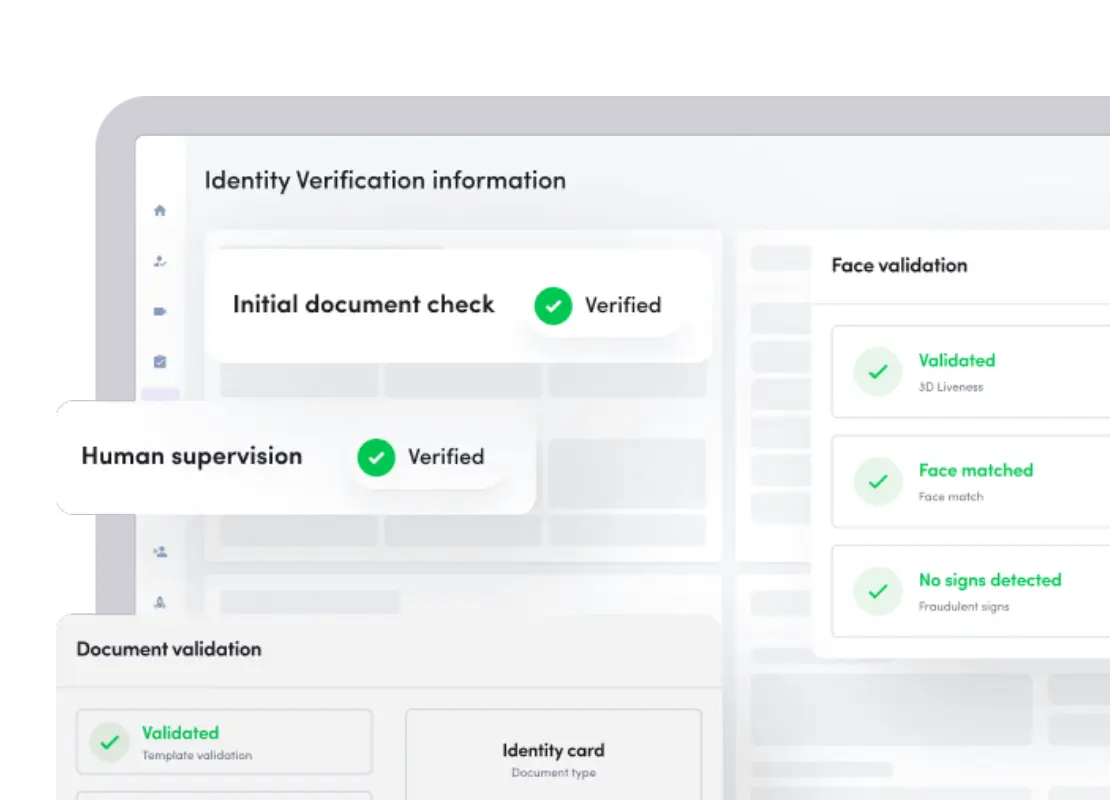
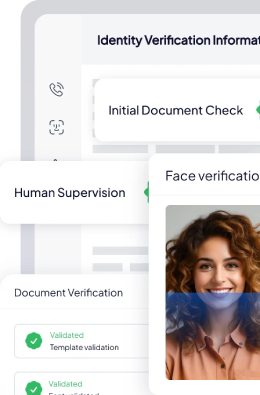
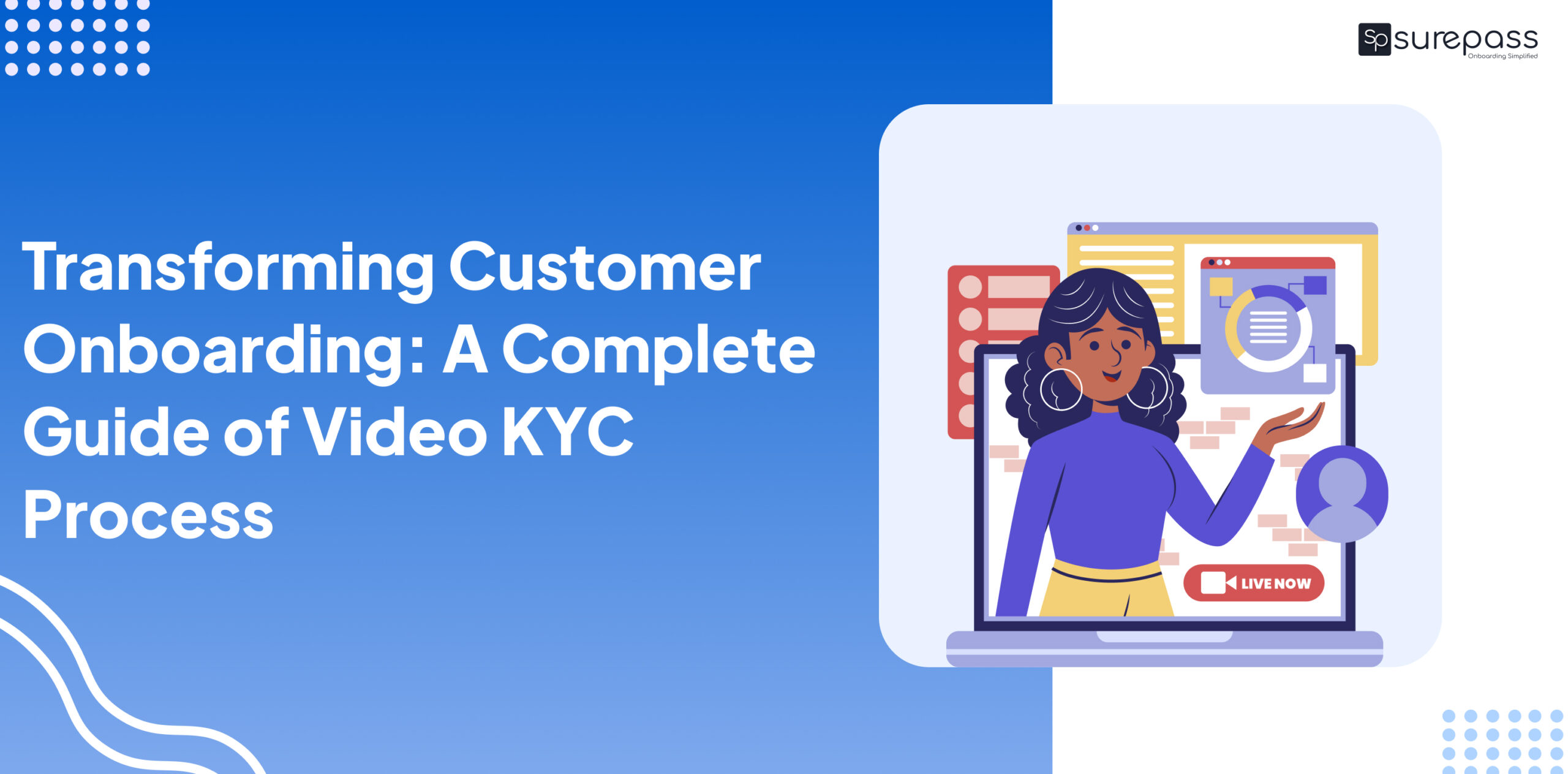
Video KYC is a digital identity verification method in which banks and financial institutions verify individuals via video call. It promotes remote customer onboarding and makes verification easy. In the video KYC process, customers and bank representatives interact with each other via video call. During the call, the bank representative asks the customer to show identity documents and uses advanced technology to check liveness and face authentication.
Why is Video KYC Important?
Video KYC is important for remote customer onboarding due to these reasons,
- Adds Convenience: Video KYC helps people to complete the KYC process from the convenience of their home.
- Security: The Video KYC technology uses end-to-end encryption which ensures security and privacy.
- Efficiency: This online process eliminates the time spent on manual document verification and increases overall efficiency.
- Increase Scalability: It helps onboard large volume customers from various locations and increases scalability.
- Helps in Remote Verification: Video KYC allows banks and individuals to complete Video KYC from anywhere and anytime.
Video KYC vs e-KYC vs Traditional KYC: Key Differences
Traditional KYC
This is the offline method of verification.
- Customer visits the branch in person.
- Physical documents are submitted (Aadhaar, PAN, etc.).
- Forms are filled out and signed manually.
- Verification is done by bank staff.
Best for: Customers comfortable with in-person processes.
Limitation: Time-consuming and requires physical presence.
e-KYC
This is a digital process where customer details are verified electronically.
- Verification happens online.
- Aadhaar OTP or biometric authentication is used.
- No need to visit a branch.
- Faster than traditional KYC.
Best for: Quick digital onboarding.
Limitation: Depends on Aadhaar authentication availability and regulatory permissions.
Video KYC
Video KYC is an advanced digital method that combines live video interaction with document verification.
- Customer connects with a verification officer over a live video call.
- Original documents are shown on camera.
- Geo-tagging and liveness checks are performed.
- Fully compliant with RBI guidelines.
Best for: Secure remote onboarding with high fraud control.
Advantage: Combines the convenience of digital with the security of face-to-face verification.
Quick Comparison:
| Feature | Traditional KYC | e-KYC | Video KYC |
| Physical Presence Required | Yes | No | No |
| Document Type | Physical | Digital (Aadhaar-based) | Shown live on video |
| Speed | Slow | Fast | Very Fast |
| Fraud Control | Moderate | Moderate | High |
| User Convenience | Low | High | High |

Step-by-Step Video KYC Process
Customers need to fill out the online form and select the Video KYC option for verification. Here’s a step-by-step guide to the process.
-
- Step 1: Initiation of Video KYC: The customer receives a link to start the video KYC process.
- Step 2: Consent Agreement: The customer will review and agree to the terms and conditions. The customer needs to allow the bank to access its location, camera, and microphone.
- Step 3: Queue and Connect to the Agent: The customer is redirected to the queue page, where the customer will interact with the agent.
- Step 4: Face Recognition: During the call, the agent captures the face image and verifies the face with facial recognition technology.
- Step 5: Liveness Detection: The agent will use liveness detection technology to confirm that the person is physically present during the verification process.
- Step 6: Document verification and Signature: The agent will perform document verification, capture digital signatures, and conduct a question and answer.
- Step 7: Approval/Rejection: The whole session will be recorded for compliance purposes, the agent can reject and accept the KYC.
Automate your KYC Process & Reduce Fraud!
We have helped 3000+ companies in reducing Fraud by 95%
Video KYC Use Cases
Video KYC is being used across various sectors to make onboarding quick and secure. Here are some of the most common ways it is used today:
- Banking & NBFCs: Opening savings or current accounts, applying for personal or home loans, and issuing credit cards without visiting a branch.
- Stockbroking & Investments: Investment platforms use it to open Demat accounts and start mutual fund investments.
- Insurance: Insurance companies use it to verify policyholders before issuing life or health insurance policies, ensuring the person is real and the documents are valid.

Benefits of Video KYC
The video KYC process simplifies online customer onboarding and makes financial services more accessible for people.
- Reduce Onboarding Time: Video KYC makes customer onboarding faster by reducing the need of paperwork and in-person visits.
- Improve Customer Experience: It helps individuals complete the KYC process from anywhere.
- Cost Cutting: It reduces the cost of paperwork and manual verification.
- Simplify Document Verification Process: It eliminates the need for manual verification of documents with APIs.
- Reduced Fraud Risk: Video KYC technology is embedded with various recognition and document verification APIs that help in real-time verification online.
Challenges and Solutions in Video KYC
While Video KYC is highly efficient, there are some common challenges and their solutions that businesses and users might face:
- Geographical Restriction: In the traditional KYC process, customer need to visit a bank to submit their documents, which limits their access to financial services available in their area. However, the Video KYC process enables customers to complete KYC online with a geo-tagging feature and makes financial services accessible even in remote areas.
- Time-Consuming Customer Onboarding: The traditional KYC process requires paperwork, and In-person verification which takes many days. On the other hand, the Video KYC process can be done in a few hours.
- Cost: The traditional KYC process involves expenses due to paperwork, manual verification, and in-person visits, video KYC cuts down this cost.
- Poor Internet Connectivity: In many remote areas, low internet speed can lead to call drops or blurry video. Please make sure that you have a stable internet connection before starting the Video KYC process.
- Use of Deepfakes: Scammers use high-quality fake videos to try to bypass security. To make sure your video is not highlighted as a deepfake please sit in a well-lit room and make sure your face is clearly visible.
- Document Quality: If the customer’s camera is poor or the lighting is bad, it can be hard for the agent to read document details clearly. Please make sure that you have original documents such as your PAN card or Aadhaar card instead of a photocopy so that all the details are visible clearly.
- User Hesitation: Some customers might find it difficult to use the technology or may have concerns about their privacy during a live call. Please read through the instructions and guidelines given before joining the Video KYC call.
Implement Video KYC For Your Business
If you want to adopt Video KYC, follow these simple steps to ensure your implementation is both secure and professional:
- Choose a Verified Partner: Select a technical service provider like Surepass that specializes in KYC and verification solutions.
- Prioritize Seamless Integration: Make the solution integrate into your existing systems.
- Enable Multi-Layered Fraud Detection: Don’t rely on video alone. A secure setup must include security features like AI face matching, automated document OCR for instant data extraction, and safeguards for deepfakes.
- Ensure Location Compliance: The solution must include automated geo-tagging. This confirms that the customer is physically present within India during Video KYC.
- Provide Clear User Instructions: To ensure the process is successful on the first try, provide a simple “pre-call checklist.” Remind customers to have their original PAN and Aadhaar card ready, sit in a well-lit room, and check their internet signal strength.
Who Regulates Video KYC Framework in India?
The video KYC framework is strictly governed by financial regulators to ensure your data is safe, and a strict procedure is followed.
The primary regulators are:
- Reserve Bank of India (RBI): The main authority that introduced the V-CIP (Video-based Customer Identification Process) guidelines for banks, NBFCs, and digital wallets.
- SEBI: Regulates Video KYC for the stock market, including opening demat accounts and investing in mutual funds.
- IRDAI: Manages the framework for the insurance sector, allowing people to buy insurance policies via video verification.
All these regulators follow the Prevention of Money Laundering Act (PMLA) rules, which means any organisation offering Video KYC services must ensure the video is live, the customer is in India, and the data is stored securely.
Video KYC in India: RBI Master Direction Updates and Data Localization
In 2026, the rules around Video KYC have become much clearer and more focused on protecting businesses and people. Here is what has changed since RBI first approved it in 2020:
- Real-Time Verification is Mandatory: The RBI now requires every Video KYC call to feel exactly like a face-to-face interaction. This means the NBFCs must be able to capture the customer’s live location.
- Your Data is Better Protected (DPDP Act): As per rules that were notified in 2025 under the Digital Personal Data Protection (DPDP) Act 2023, companies are now “Data Fiduciary” of customer information. They must ask for consent in simple language and are legally responsible if customer data is leaked or misused.
- Keeping Data in India: To keep your identity safe, all Video KYC recordings must be stored on servers located inside India. This prevents your personal video and documents from being sent to or stored in other countries without strict oversight.
Surepass’s Secure Video KYC Flow
Surepass ensures a safe and compliant onboarding experience through a streamlined, secure data journey:
- Initiating the KYC process: The process begins when user clicks on a link send to their email and starts an end-to-end encrypted video call
- Prerequisite Checks: The user must accept the terms and conditions, followed by a prerequisite check to make sure the process goes smoothly.
- Agent Verification: Once an agent is assigned to the user, the agent verifies their identity and documents.
Secure Saving: Once finished, all recordings and proof are stored in a certified digital vault, keeping them ready for future audits while staying fully protected.
Why Surepass Technologies is the Reliable Choice for the Video KYC Process?
Surepass offers the best Video KYC solution for remote KYC verification. This Video technology is developed according to the needs of banks and financial institutions. It is embedded with all essential APIs like document verification, liveness detection, Face match, etc, which ensure accuracy in the verification.
Here is a list of features that make Surepass a reliable choice,
- Call schedule for Later Option
- Geotagging
- Easy Integration
- Liveness check
- Face Match
These advanced features altogether make Surepass Video KYC solution a secure, and reliable solution for online verification.
Conclusion
The Video KYC process is a secure and efficient alternative to the traditional KYC process. It helps banks and financial institutions conduct the KYC process remotely through a live video call, making it suitable for large-scale remote customer onboarding. By using technologies like face authentication, liveness detection, and document verification, Video KYC improves security and reduces the risk of fraud. It also lowers operational costs and speeds up the onboarding process while ensuring compliance with regulatory guidelines. Overall, Video KYC enhances the customer experience by providing a simple, convenient, and reliable way to complete verification from anywhere.
FAQs
Ques: How do I complete my video KYC?
Ans: Collect all the necessary documents and choose the video KYC option on the website. You will receive a link for a video call, where a representative will guide you.
Ques: Can I Open an Account Without Video KYC?
Ans: Yes, you can open an account without Video KYC but it will have some restrictions.
Ques: Is Surepass Video KYC RBI Compliant?
Ans: Yes, Surepass Video KYC is RBI compliant.
Ques: What will they ask in Video KYC?
Ans; The bank representative can ask for showing documents and questions, including DOB, address, etc.
Ques: How Long Does it Take For Video Kyc Approval?
Ans: You will receive approval 24-48 hours after you complete your video KYC call.
Ques: Is video KYC compulsory?
Ans: Yes, video KYC is compulsory according to Reserve Bank of India policies.
Ques: What is the Video KYC Process?
Ans: Video KYC is an online customer verification process that verifies customer Identity through a video call with a representative.
Automate your KYC Process & Reduce Fraud!
We have helped 3000+ companies in reducing Fraud by 95%