



It is a leading Indian financial technology company founded in 2010. It offers various services, including mobile wallets, UPI, QR Code payment, banking, etc. It serves around 300 million customers and 44 million merchants. However, this company was facing challenges in scaling its customer onboarding and lending operations. Traditional manual verification methods were time-consuming and prone to errors.
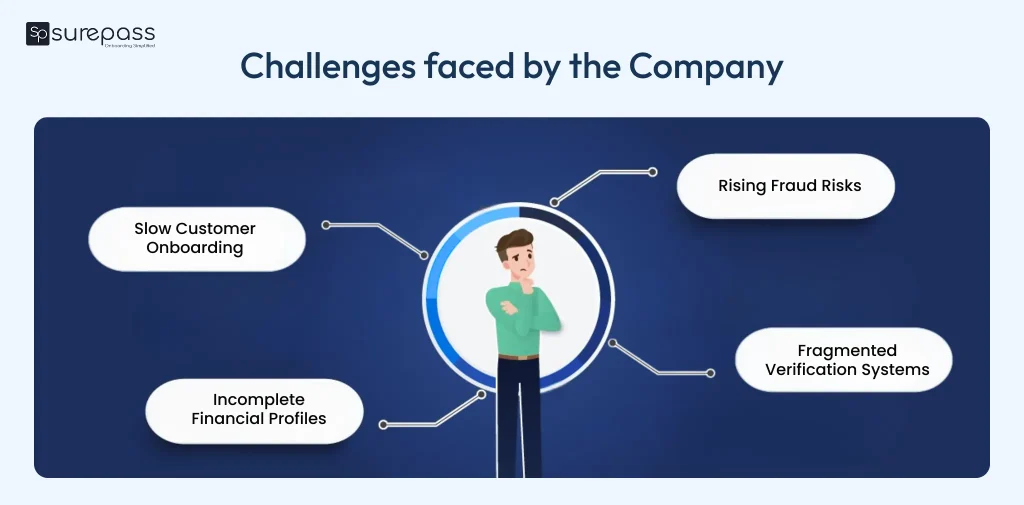
Business Challenges
As the platform expanded, it faced several operational and compliance challenges:
- Slow Customer Onboarding: Manual KYC processes created delays. This led to a poor user experience and drop-offs during registration.
- Rising Fraud Risks: Fake identities, mismatched documents, and duplicate accounts increased the chances of financial fraud.
- Incomplete Financial Profiles: Lack of real-time verification made it difficult to assess customer credibility for lending decisions.
Offered Solution
After understanding the issues, our team offered various APIs to streamline the customer onboarding process.
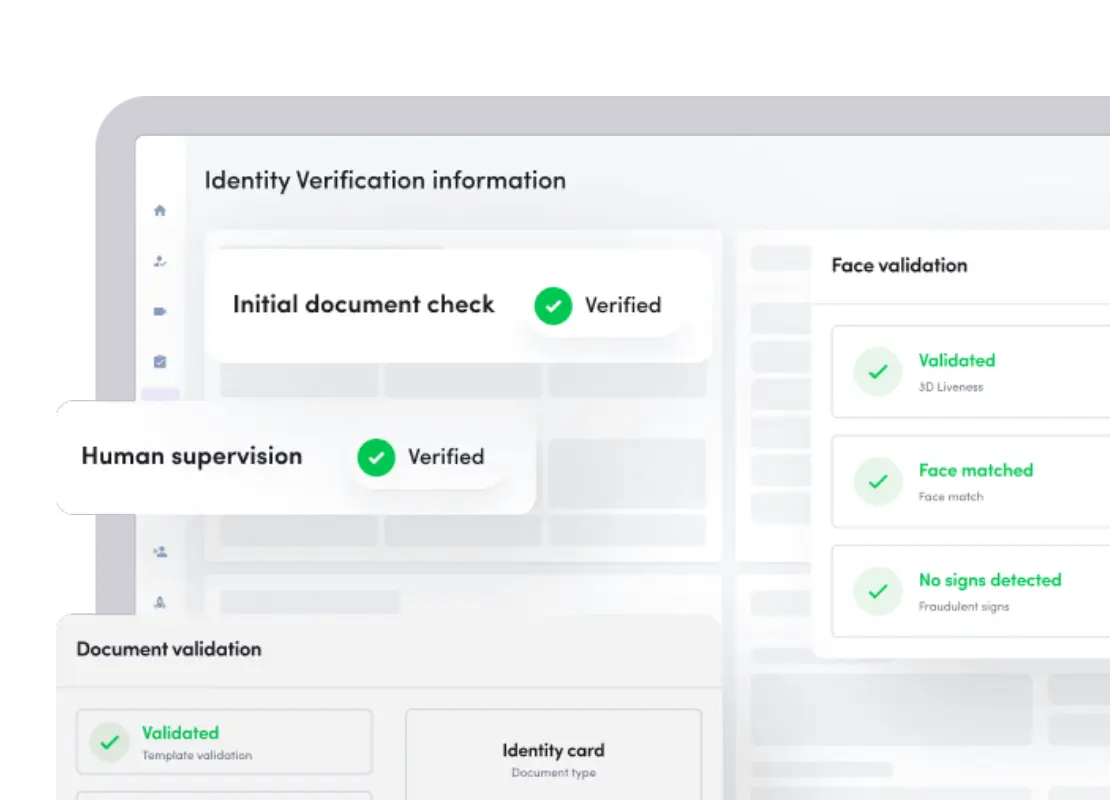
Aadhaar Verification API: The Aadhaar Verification API helps in instant identity verification through Aadhaar details. It ensures that the customer’s identity is authentic and matches government records.
Benefits
- It reduced the onboarding time
- Improved accuracy in identity verification
- It helps in enabling a paperless KYC process
PAN Verification API: The PAN Verification API helps in the quick verification of PAN cards and simplifies the verification process.
Benefits
- It ensures valid PAN details for every user
- It reduces fake or duplicate profiles
- It streamlines creditworthiness assessment
Aadhaar Bank Link Check: It is used to verify whether the user’s Aadhaar is linked to a valid bank account.
Aadhaar Mobile Number Link Check: It helps check the link status between Aadhaar and the registered mobile number.
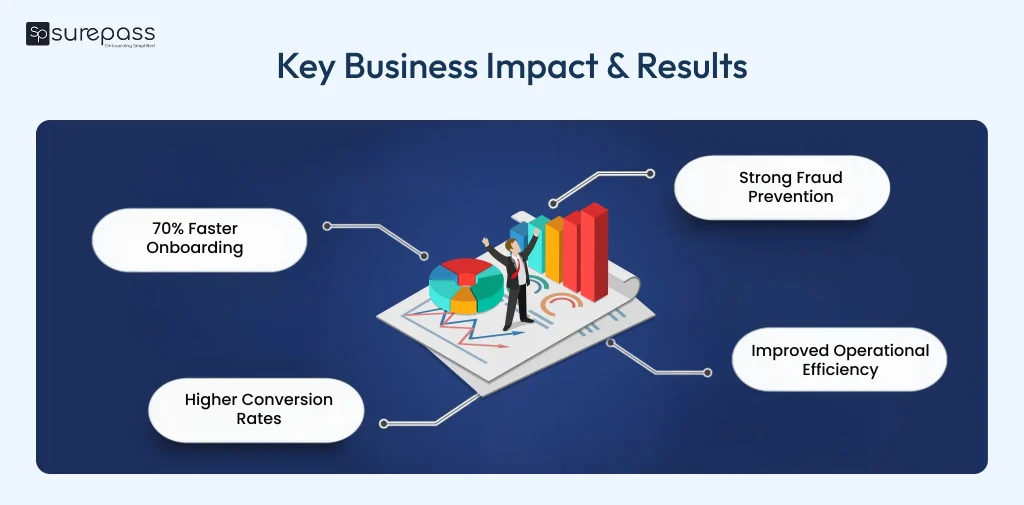
Results and Outcomes
After the integration of the APIs, the company has seen several improvements:
- 70% Faster Onboarding: Customer verification time reduced from hours or days to just a few minutes with automation.
- Fraud Prevention: The APIs help in the quick identification of fake or tampered documents and reduce fraud.
- High Conversion: Automated verification streamlines the process and reduces both processing and onboarding time. This reduces customer drop-offs and increases conversions.
Before vs After Integration of APIs
| Process Area | Before (Manual Process) | After (With APIs) |
| Customer Onboarding Time | Hours to several days due to manual verification | Reduced to a few minutes with instant verification |
| KYC Verification | Manual Checks | Automated Checks |
| Fraud Detection | Reactive Approach, difficult to identify fake users | Real-time fraud detection with verified data |
| Data Accuracy | Prone to human errors and mismatched records | High accuracy with government-verified data |
| Customer Experience | High drop-offs due to delays and slow onboarding | Faster customer onboarding with quick verification |
| Operational Efficiency | High manual effort and resources | Automated workflows enhance operational efficiency |
Conclusion
Identity and financial verification are essential parts of customer onboarding and lending. It ensures compliance with KYC regulations and reduces the risk of fraud. The leading financial technology company was facing challenges in identity verification and needed an automated workflow. After the integration of Surepass APIs, the company has streamlined the verification workflow and seen significant improvements in conversion, onboarding, and fraud prevention.
They offer various advantages to businesses that want to scale and stay compliant. They offer various advantages to businesses if they want to scale and stay compliant. Now with strict regulations business can’t take compliance as an option.