Verifying a death certificate offline is complex and impractical for businesses. They need to visit issuing authorities, registrars, and offices. This consumes too much time and resources. Online verification makes it easy, as businesses can verify the death certificate with basic information like name and certificate number. It reduces the risk of using fake certificates and processing claims. You can verify the certificate in two ways: manually through an online portal or via a Death Verification API. The manual process is easy but takes longer and increases delays.
Death Certificate Verification through Online State Portals
Currently, there is no single source for death certificate verification. Many state portals offer this service, such as West Bengal (Janma Mrityu Tatthya) and Maharashtra (MahaOnline), Tamil Nadu, etc. Here is the general process
- Visit the Online Portal (state-wise).
- Find the Death Certificate Verification Tab
- Enter the details and click on submit.
- Get details for verification.
Note: Remember, many cases may not be seen online if they are not registered or reported to the authorities. In this case, you can not find the deceased person’s details. A physical visit to local authorities is required.
Manual verification of a death certificate may be easy for a few people. But if you have to verify thousands of certificates, it consumes a lot of time and delays processing claims. RBI mandates businesses to process claims within 15 days; otherwise, the business may need to pay additional interest.
Where does manual Death Certificate Verification Fail?
Manual verification is not reliable for businesses handling a large number of requests daily:
- High Volume Processes and Human Errors: Manual checks are unable to tackle thousands of applications. Missing any important details can create errors in verification.
- Mistakes in matching Identities: People may have similar names, different spellings, incorrect birth dates, or typing errors.
- Information Stored in Different Places: Hospitals, banks, insurance companies, and government offices all keep separate records. Checking details from multiple places is quite difficult and time-consuming.
- Depending on Family to Report Death: Sometimes, the person responsible for reporting a death may benefit from hiding it. For example, someone might continue receiving a deceased person’s pension illegally.
How Death Certificate Verification API Helps?
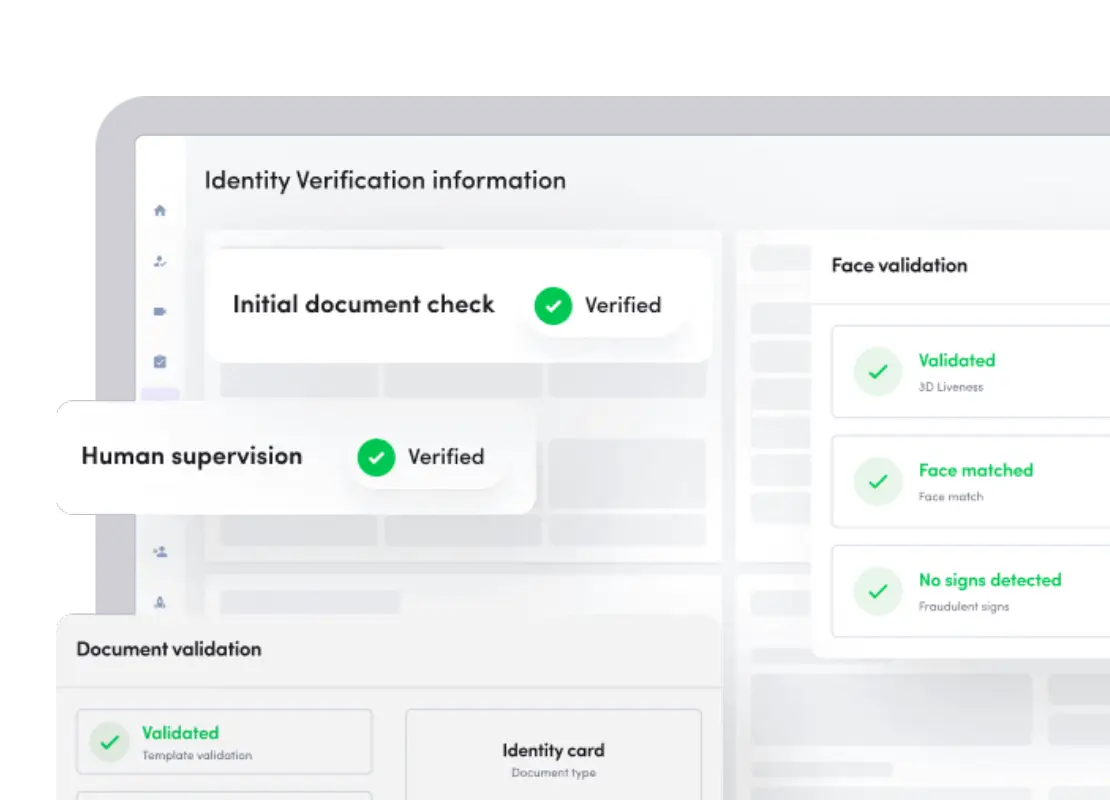
A Death Verification API gives businesses single, automated workflows that reduce manual work and verification issues that occur in manual processing:
- Document Analysis: Thoroughly check the certificate to find signs of tampering, inconsistent formatting, and missing or irregular security features.
- Data Extraction: The API uses OCR technology to extract each detail required for cross-verification with minimal manual errors.
- Cross-Verification: The extracted details are cross-verified with real details to identify fake, forged, or invalid certificates.
- Result: Get mismatched details, true or false, and a risk score for further review.
Note: Again, it helps in verification of online registered records only.
Benefits of Using Death Certificate Verification API for Business
Businesses get various benefits of using the Death Certificate Verification API:
- Quick Verification: The API automates the verification process, which helps in quick verification and reduces delays.
- Accurate Customer Records: Organizations can use verified death-related information to update customer databases, flag records for review, and reduce discrepancies across internal systems.
- Reduced Financial Losses: Detection of fake and forged certificates reduces the risk of fraudulent claims or benefits.
- Cost-Effective Solution: If you process large numbers of requests to verify each certificate, you need to hire many people. However, an API can process many applications alone, which makes it cost-effective.
Death Certificate Case: CAG Report
According to the Comptroller and Auditor General of India (CAG), Report N0. 3 four cases of payments to deceased pensioners or family pensioners were found at Visva Bharti University. The total amount was ₹22.06 lakh, of which ₹19.42 lakh was recovered after the audit raised the issue.
What can businesses learn from this?
This shows the importance of verifying death records. Banks, Insurance and pension providers should verify death-related information before involving approving claims or continuing payments.
Legal Consequences of Failing to Verify Death Certificate
Banks and insurers may face supervisory action for breaches of applicable regulatory requirements.
Regulatory Action: Banks and insurance companies may face penalties or action from the Reserve Bank of India (RBI) or the Insurance Regulatory and Development Authority of India if they fail to follow the rule of death certificate verification.
Civil Litigation: Family members, legal heirs, or beneficiaries may take the business to court if its failure to verify a death certificate causes them financial loss.
Conclusion
Identity theft, fake death cases, and the use of forged death certificates are increasing in India. It results in financial loss and misuse of funds. Manually verifying certificates is time-consuming and prone to errors. As you need to visit multiple portals, a solution like a Death Certificate Verification API solves this issue with an automated workflow.
FAQs
Ques: How can businesses verify a death certificate online in India?
Ans: Businesses can verify a death certificate through the government state portals using certificate details. Apart from this, businesses can also use the Death Certificate Verification API for quick verification.
Ques: What documents and details are required for death certificate verification?
Ans: You need the following details to verify a death certificate:
- death certificate
- registration number
- deceased person’s name
- date of death
- issuing authority
Ques: What should a business do if a death certificate cannot be verified online?
Ans: It may occur if the records are not updated online, if the records are incorrect, or if there are delays in registration. A business can contact the issuing authority and registrars for verification.
Automate your KYC Process & Reduce Fraud!
We have helped 3000+ companies in reducing Fraud by 95%