




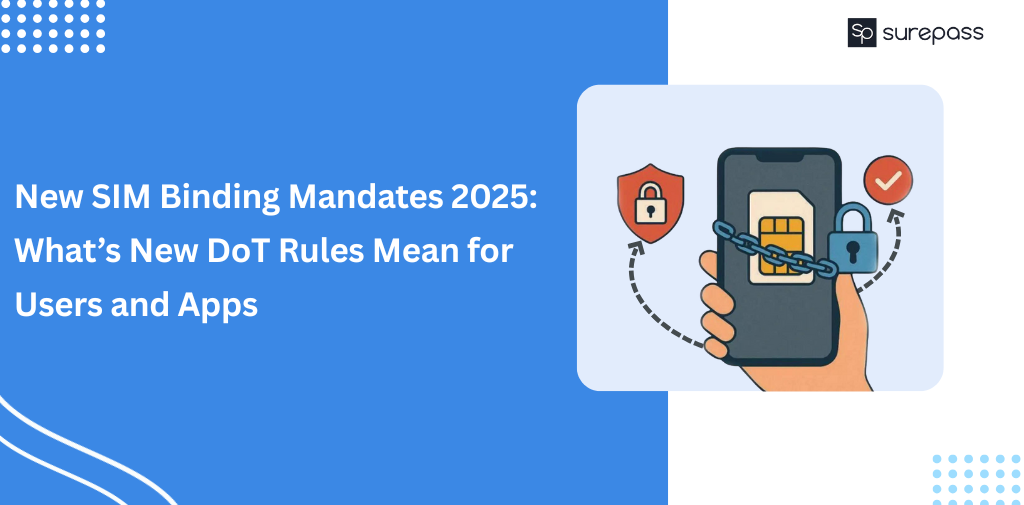
The Dot (Department of Telecommunications) of India has made a new mandate regarding the use of digital communication platforms, including WhatsApp, Snapchat, Sharechat, Jiochat, Arattai, and Josh.
According to the new rules 2025, it is now mandatory for all messaging and communication platforms to follow SIM Binding and deactivate the app if the device does not have an active registered SIM. This mandate comes under the Telecommunication Cybersecurity Amendment Rules 2025 and classifies these apps as TIUE (Telecommunication Identifier User Entity).
What is SIM Binding?
In simple words, SIM Binding means maintaining a link between the App and the physical SIM card with which the user is registered. The user can access the social media platform when the SIM remains inserted and active in your device. If the SIM is removed, replaced, deactivated, or becomes inactive, The app should discontinue services until verification is done. The verification process should rely on IMSI (International Mobile Subscriber Identity) checks.
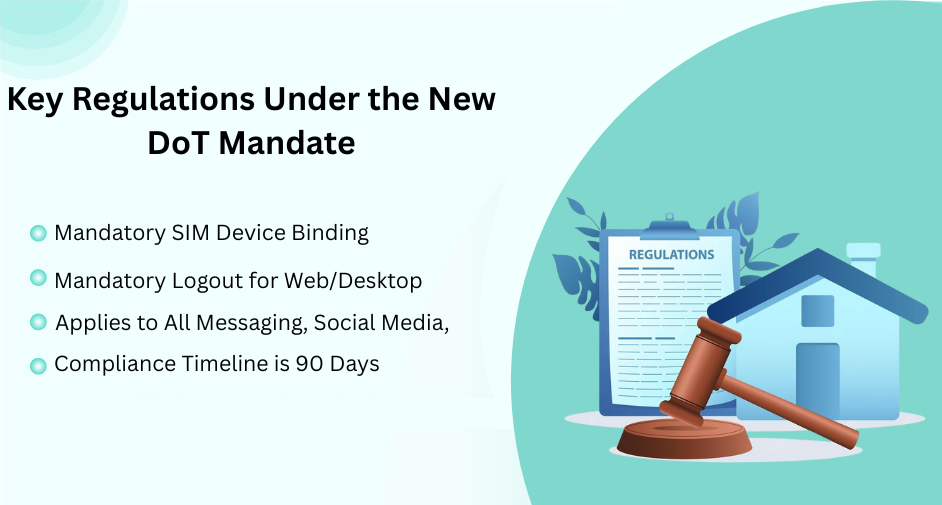
Key Regulations Under the New DoT Mandate
These are key regulations you must follow:
Mandatory SIM Device Binding (Continuous SIM Verification)
All messaging/OTT communication apps should confirm that all user accounts are linked to an active SIM. The user access should be blocked if the SIM is removed from the device or becomes inactive. It prevents access and use of the app on the device without the registered SIM. Its main aim is to close cross-border cyber fraud loopholes where deactivated SIMs are used to operate messaging apps.
Mandatory Logout for Web/Desktop Version Every 6 Hours
Web-based or desktop sessions must be made to auto-logout every 6 hours. After logging out, the user has to relink using QR verification to continue. It will eliminate the misuse of long-running unattended or potentially vulnerable sessions.
Applies to All Messaging, Social Media, and OTT Communication Apps
The SIM binding rules are applied to all the apps, including WhatsApp, Telegram, Signal, Snapchat, etc. In other words, any app that uses a phone number follows the mobile device binding rules.
Compliance Timeline is 90 Days
All the platforms have only 90 days to implement SIM device binding and logout mechanisms for web/desktop versions. Apart from implementation, every platform must submit the compliance report to DoT within 120 days.
How Mobile Device Binding Works?
Here is how the mobile device binding works:
- On installing or registering a messaging/OTT app. The app verifies your phone number via SMS/OTP as usual. But now that number is permanently associated with the SIM card in your device.
- App continuously verifies that the same SIM remains in the device. In case the SIM is removed, replaced, or deactivated, the App should disable access until the SIM is restored.
- If the user is using the app on a web browser, the app should log out users every 6 hours. Re-authentication is required to log in again.
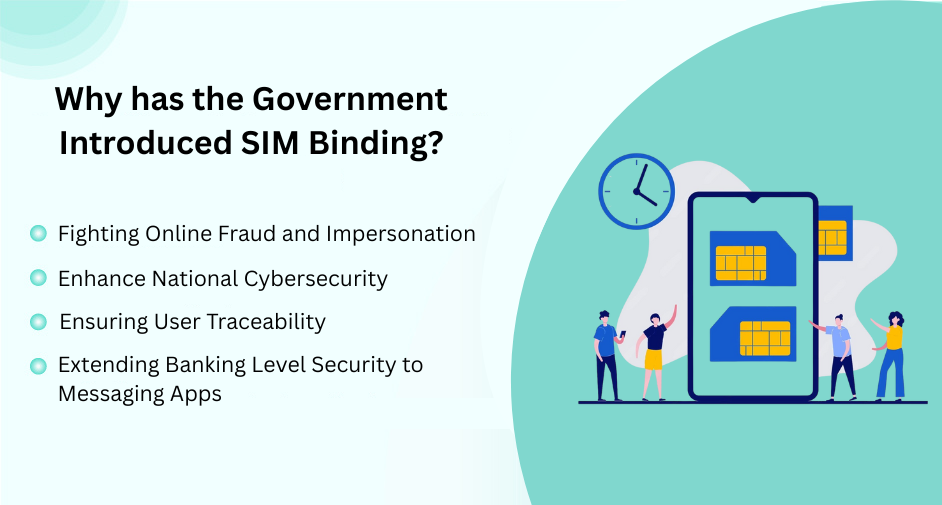
Why has the Government Introduced SIM Binding?
These are the reasons why SIM binding is mandated:
- Fighting Online Fraud and Impersonation: The government has introduced the SIM binding directive to stop criminals from using stolen or spoofed accounts on WhatsApp and other messaging apps. Fraudsters often log in to the app by using someone else’s number. It confirms that only the SIM owner can access the app. It reduces online payment scams, impersonation fraud, and social engineering attacks.
- Enhance National Cybersecurity: Dots wants to establish stronger, traceable communication channels because anonymous messaging has been used in cybercrimes and collection scams. Device binding makes identity verification at the telecom level, and solves security gaps in OTT.
- Ensuring User Traceability: SIM binding ensures that the app account is being used in the device with an active SIM. It makes it easy to trace misuse. This prevents criminals from hiding the Virtual numbers, VPNs, or temporary devices.
- Extending Banking Level Security to Messaging Apps: Banking apps use strict SIM/device binding to confirm that the registered SIM is physically present in the device. Now, Dot wants to extend the security model to social media platforms like WhatsApp, Telegram, and other platforms because the apps are used for money transfers, OTPs, and sensitive chats.
Benefits of SIM Binding
These are the benefits of mobile device binding:
- Fraud Prevention: It reduces the chances of unauthorized device access. It makes it harder for fraudsters to commit illegal activities like SIM Swap fraud, cloned accounts, and account hijacking more difficult.
- Enhance Traceability: It becomes easy for users to detect users with just a registered SIM. It confirms accountability and reduces the risk of cybercrime.
Limitation
Even after implementing SIM binding, fraudsters can use new SIM cards to commit fraud. The mobile device binding only confirms the app and SIM linking. It cannot stop scams like phishing or malware.
Conclusion
The DoT has introduced the SIM binding regulation 2025 for the user-based OTT communication platforms and messaging platforms. According to the mandate, the platforms must confirm that the app is used with containing active registered SIM. The key regulations are mentioned above. These mandates reduce the risk of fraud and improve traceability. It also provides additional security.
FAQs
Ques: What is SIM Binding?
Ans: It is a process of verifying that the registered SIM card is active in the device.
Ques: What are the new SIM Binding Rules 2025?
Ans: The new SIM device binding rules include:
- SIM device binding is mandatory for all messaging, social media, and OTT communication platforms.
- Registered SIM is active and present in the device.
- Automatic logout from web/desktop versions every 6 hours.
- All platforms should implement the rule in 90 days.
Ques: What is device binding?
Ans: It is a process of linking a user’s account to a specific mobile device or SIM.
Ques: What is device binding in UPI?
Ans: It is a process of linking the UPI account to the mobile number, SIM, and device ID.
Ques: Why did the device binding failed?
Ans: It can occur due to network issues, SIM changes, and mismatched device data.